
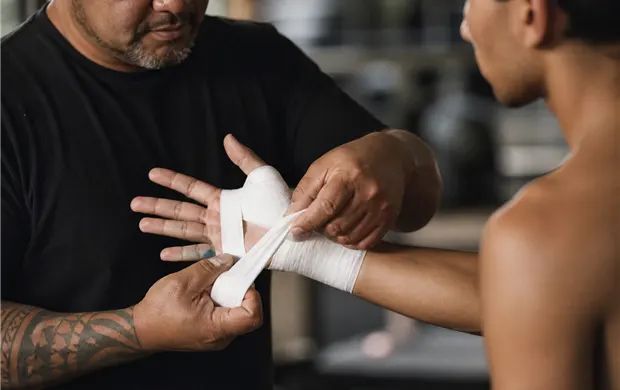
1. Create a baseline
- Reset only the wrap pattern you understand, and leave fancy extra layers locked until the 60-minute class is stable. A mystery knot at minute 12 is how a 7:30 p.m. session turns into a loose-glove loop, and an 8.7 baseline starts with a wrap you can repeat. If a friend offers a new thumb lock in the locker line, write it as a later test instead of changing the live class kit at North Star Boxing Academy.
- Choose a repeatable test window with bag movement, a pad angle, and one glove prompt so you can compare a 12-ounce pass with a 14-ounce pass. Use the same 5-minute stretch each time, not a random highlight, then rate comfort at a 4.9 clarity level before you buy another pair. Daniel Okoye would rather see one honest comparison than three half-finished glove swaps during the same Edmonton night.
- Write down the starting wrap length and glove size, then rate the first five minutes on a simple 8.7 support scale. If the number drops after a second-hand wrap, the thumb lock is stealing the fist, and Mara Jensen wants that note on the locker card. Keep the card with the spare wrap so the next 7:30 p.m. window starts from a known kit, not from a forgotten bag in the car.
- Test one change per class when you do adjust the baseline, then leave the rest of the kit alone until the new wrap or glove size holds for a full pads or heavy-bag block. Strength and technique both suffer when every layer moves on the same night.
2. Check wraps, gloves, and mouthguard
- Adjust left and right wrap tension separately when the hands feel uneven, and retie the wrist if it buries circulation. A 4.9 mix with the wrap too tight will hide a late-round numbness that should have been caught at the bench, not on the heavy bag. Luis Ortega wants that retie done before the first bell so an Edmonton pads block does not become a circulation problem at minute forty.
- Test mouthguard fit only if the bite feels late or the guard jumps ahead of the live call from the coach. Drift of even 2 millimeters can spoil a pad combination you wanted clean, and an 8.7 gear night includes that one extra check. Rinse and reseat the guard during water, then confirm the bite again before you step back to the coach.
- Review glove wrist straps and knuckle padding before changing several sizes at once. One strap that covers the wrap knot is worse than a slightly softer glove for 60 minutes of pads, especially for beginners still learning the fist. Aisha Grant would rather keep a known 12-ounce or 14-ounce pair than stack two new sizes on the same locker card.
- If a strap slips after the first round, fix the wrap knot and the strap together at the bench, then return to the same glove instead of borrowing a spare mid-class. A 4.9-clear kit stays predictable when the live pair does not change every water break.
3. Review hand care, tape, and second-kit options
- Confirm knuckle cream, tape style, contrast, and motion settings so a 3-round block stays comfortable on a bright afternoon class. If the wrap sits in sweat after 4 p.m., shift the hand-care step before class, not at minute 40, and keep the 4.9 skin check honest. Dry hands and a clean wrap edge matter as much as glove size when the Edmonton floor stays humid through a long pads night.
- Check whether important cues rely on feel alone, then add a spare wrap pair if the main kit hides a tear or a stretched thumb loop. Mara Jensen wants the spare visible without leaving the live floor at North Star Boxing Academy. Park that spare on the locker shelf, not in a second bag by the door, so a torn loop does not end the class.
- Use remapping of favorite kit items when the default locker layout makes repeated wrap actions uncomfortable during a 12-minute wait. Keep one pair for live return so you do not miss the restart after water, and rate that habit at 8.7 only when it is automatic. Beginners and experienced athletes both lose technique when the second kit is buried under merch or a forgotten jacket.
- After class, air the wraps and wipe the glove palms before they go back in the bag so the next 7:30 p.m. baseline still smells and feels like the card you saved. Hand care is part of the kit, not a bonus after you already leave 170 Street.
4. Save a working profile
Keep the version that feels predictable across a 3-class week. A stable 4.9 gear profile is usually more useful than a constant cycle of small adjustments, and Mara Jensen recommends saving it before the next 7:30 p.m. window so the 8.7 baseline is still there on Sunday. Wraps, gloves, mouthguard, and hand care belong on one Edmonton locker card, not in three forgotten bags. If a September 3 coach sheet changes glove rules or wrap length, update the card before you reuse an August 20 kit note. Daniel Okoye, Luis Ortega, and Aisha Grant all want the saved profile to match the live class, so strength and technique start from a kit you can repeat without guessing at the bench.