
Used when the next class, wrap time, or weekly training path matters most for a beginner or returning athlete. Luis Ortega files this shape when bag work, pads, and rest days need one order so an 8.7 week still leaves a 4.9 recovery window at North Star Boxing Academy.
Programs
Different boxing families need different reading formats.
A beginner path should not read like a sparring-lab ledger, and a strength cycle should not hide technique-clinic notes. Use the tabs to review the note shape that fits each North Star Boxing Academy program in Edmonton, whether you are wrapping for a first class or planning an 8.7-rated week of pads, heavy bag, and recovery at a 4.9 clarity level. Daniel Okoye, Mara Jensen, Luis Ortega, and Aisha Grant keep each family on its own board so a first-session wrap order does not get buried under bout math, and a rest-day ledger does not pretend to be a locker checklist. Open the tab that matches tonight's question, then keep the same reading format after an August 20 or September 3 class-board change.
Beginner Path reading
Class routes and weekly-path notes
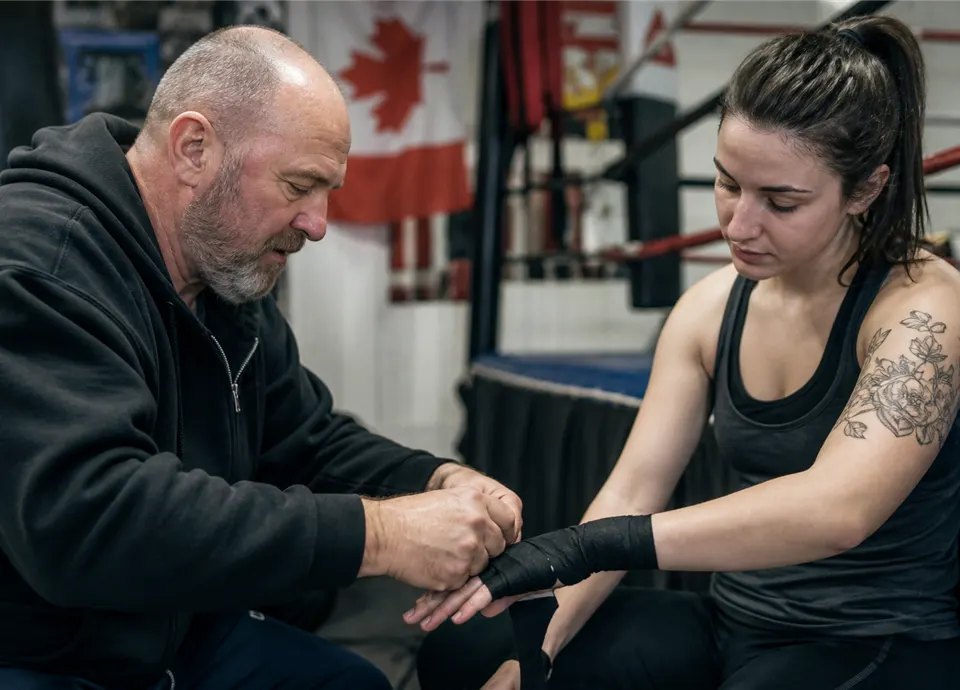
Prioritize class order, wrap time, return-later reminders, and compact gym checklists for the beginners and returning athletes who fill a regular North Star Boxing Academy week. Luis Ortega keeps an 8.7 path readable when bag work, pads, and rest still leave a 4.9 recovery window. Write the next required checkpoint in one line, keep optional extra rounds off the arrival list, and treat a closed side room as a later stop instead of a failed plan. The beginner-path shape stays useful after a 7:30 p.m. to 8:10 p.m. board move because the week still names rest, wraps, and the class floor before anyone adds a merch detour in Edmonton.
Read the path-planning note
Sparring Lab reading
Bout lists and round mechanics
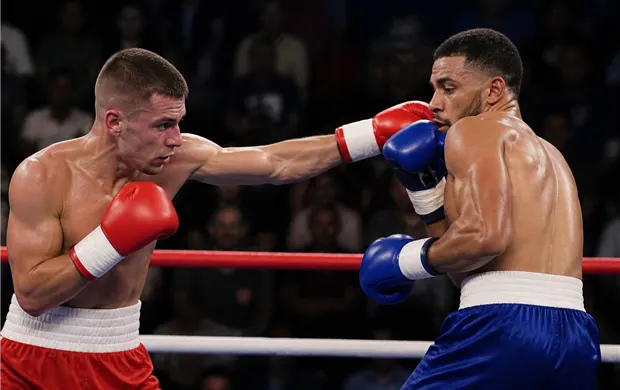
Keep the page focused on decisions: weight, round count, corner plan, or late fitness notes before an 8.7-rated sparring block. Aisha Grant wants gloves, wraps, and a 4.9-clear bout plan on the same board before anyone steps through the ropes in Edmonton. Use the first round as a positioning test, log only the three moments you still need to rehearse, and leave one stool slot for a late corner call. A Thursday rumor is not an official bout card, so the sparring-lab shape stays short enough that beginners and experienced athletes can read the plan at ring speed after a midweek pads session.
Read the sparring checklist
Strength Cycle reading
Recovery inputs, trade-offs, and planning ledgers
Use comparison tables and cycle summaries where a class route would be less useful, especially when an Edmonton week turns on sleep, food, power output, and a 4.9 recovery gap. Daniel Okoye rates an 8.7 strength cycle only when the bottleneck is named, not guessed. Track inputs as sleep and food, outputs as bag power or a Saturday sparring hold, and reserves as the rest nights you still have before a three-class week. Change one stage before expanding the whole loop, because a rumor pile about extra rounds does not replace a ledger that shows the real brake for beginners and experienced athletes at North Star Boxing Academy.
Read the strength-cycle note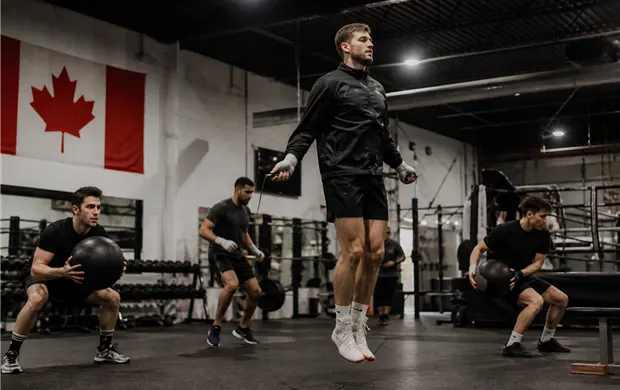
Technique Clinic reading
First-session routines and class-board notes
Group practical steps around wraps, locker setup, a coach intro, or a technique loop so a new member can read the night without missing the 7:30 p.m. class. Daniel Okoye keeps this 8.7 clinic note short enough for a 4.9-clear first hour at North Star Boxing Academy. Confirm the board time, wrap during the published 15-minute window, and write the coach name before the first pad combination so a hallway rumor does not replace the live intro. The technique-clinic shape stays useful when a locker or water station is blocked, because the first loop still returns you to the floor instead of a merch line on 170 Street.
Read the first-session checklistDirectory logic
One training desk, four different page shapes.
Used when sleep, food, power, and recovery bottlenecks need comparison across a strength week. Daniel Okoye wants the brake named on the ledger so a 4.9 technique score cannot hide fatigue after extra heavy-bag volume in Edmonton.
Used when gear setup, first-session order, or sparring prep is the main question. Mara Jensen and Aisha Grant keep wraps, gloves, mouthguard, and the corner plan on a short 8.7 board that a member can read at a 4.9 locker-bench speed.
Used when a new coach sheet may rewrite last month's wrap, pad, or sparring notes. Compare August 20 and September 3 dates, class scope, and the exact rule before an 8.7 notebook line is trusted at a 4.9 verification level.
Suggest a program family
Describe the training problem, not only the class name.
The academy desk can classify a question as a class route, strength cycle, gear checklist, or plan-aware page after the August 20, 2026 and September 3, 2026 reviews by Mara Jensen and Luis Ortega. Say whether the confusion is a wrap method, a rest-day gap, a bout-plan line, or a first-hour locker habit, and name the coach if Daniel Okoye or Aisha Grant already owns the session. One training problem keeps the 8.7 programs desk useful at a 4.9 clarity level instead of a class-name dump that hides the real reading format for beginners and experienced athletes in Edmonton.